
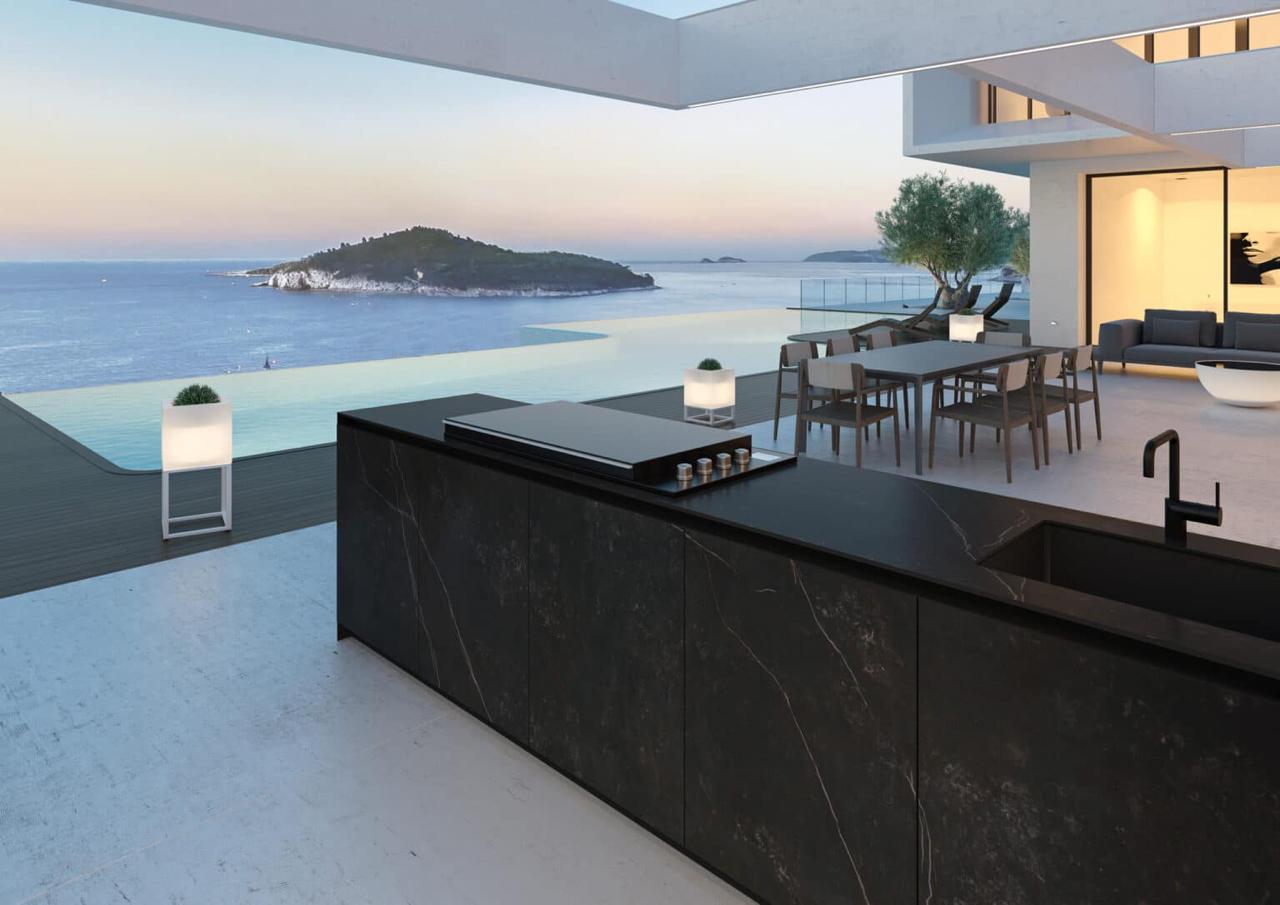
For a long time, architecture drew a clear boundary between what happened inside the home and what belonged beyond it. The kitchen was an interior space. The garden was somewhere to pass through, reserved for summer afternoons and occasional gatherings. Outdoor furniture reflected that way of thinking: it was expected to be durable, practical and, more often than not, secondary.
Today, that distinction is beginning to disappear.
Contemporary architecture increasingly seeks continuity between the built environment and the landscape, allowing terraces, courtyards and gardens to become genuine extensions of the home. Not because they imitate the interior, but because they have evolved into places where daily life unfolds with the same richness and intention.
It is within this context that Novara becomes particularly relevant.
Rather than simply designing outdoor kitchens, the company develops systems that integrate naturally into the architecture of a home and the way its inhabitants choose to live outdoors. The result is not conceived as an object that demands attention, but as something that belongs to its surroundings.
It is a subtle distinction, yet one that fundamentally changes the way we think about cooking outdoors.
There is a natural tendency to think of an outdoor kitchen as a collection of appliances: a barbecue, a worktop, a sink and a series of storage units assembled to perform a practical function.
Novara invites a different interpretation.
Each composition is conceived as an architectural element, where proportions, volumes and materials carry the same importance as the equipment itself. Functionality remains essential, but it is no longer the only consideration. The way a kitchen occupies space, relates to the house and engages with the surrounding landscape becomes equally significant.
Perhaps this restraint is what immediately distinguishes Novara's collections.
There is no unnecessary formal gesture, no attempt to impress through excess. The lines are precise, the volumes carefully balanced, and every element appears to exist because it has a purpose.
There is a quiet confidence that is increasingly rare among products designed for outdoor living. A confidence that does not rely on visual spectacle because it understands that, in the end, it is time, rather than novelty, that determines the quality of a design.
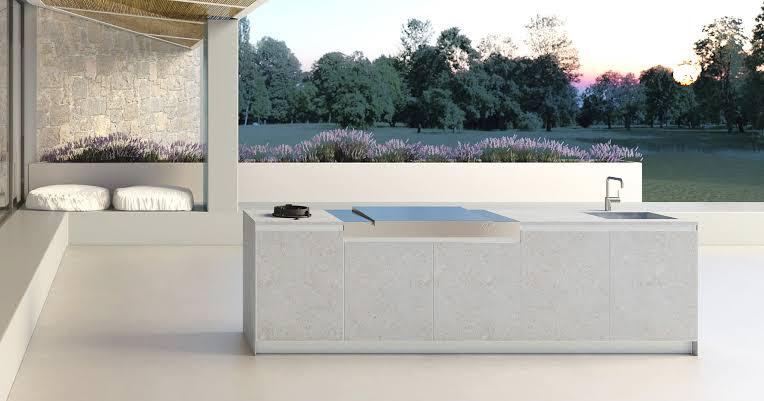
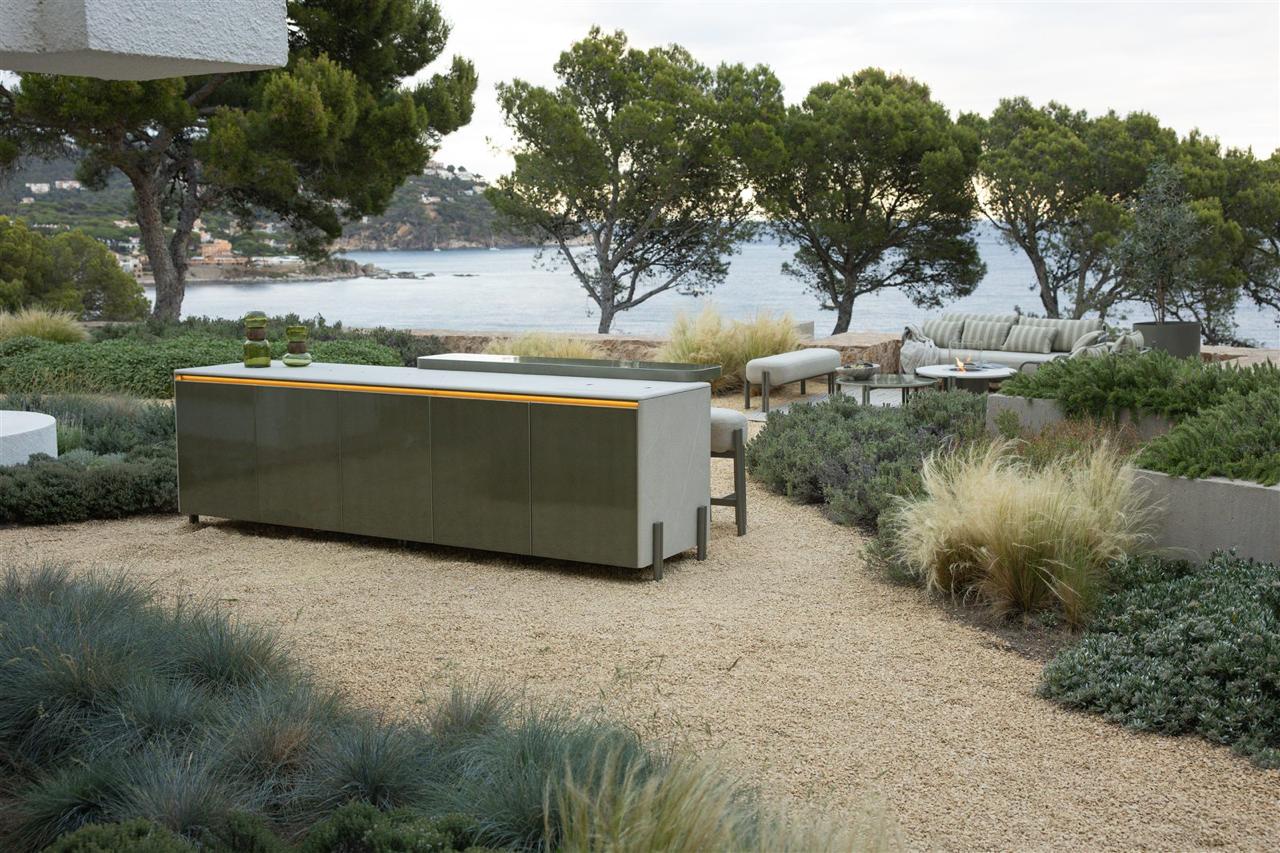
Designing for the outdoors means accepting conditions that no interior environment is ever asked to withstand. Sunlight, humidity, rain, salt air and constant fluctuations in temperature challenge materials every single day.
At Novara, these conditions are not treated as problems to solve after the design process. They form the starting point of it.
This approach led to the development of Q-XTREM®, a proprietary technology created to deliver exceptional durability in demanding environments by drawing inspiration from engineering solutions developed for the marine industry.
What is perhaps most remarkable about this innovation is that it remains almost entirely invisible.
Nothing in the appearance of a Novara kitchen reveals the complexity of the engineering beneath its surfaces. What remains visible are carefully selected materials, rigorous detailing and a calm architectural presence that continues to feel relevant long after installation.
As with good architecture, technology exists to support the experience, never to overshadow it.
No landscape is the same. Light changes. Orientation influences the way a space is used. A house overlooking the sea presents entirely different challenges from an urban rooftop terrace or a sheltered courtyard enclosed by walls.
For this reason, Novara approaches every kitchen as a response to its specific context.
The ability to configure materials, finishes, equipment and dimensions is not presented simply as an exercise in personalisation. It exists because every architectural project requires its own answer. A kitchen should respond to the character of the house, the habits of the people who live there and the relationship they have with the outdoor environment.
When this balance is achieved, the kitchen no longer feels like something added afterwards. It becomes part of the architecture from the very beginning.
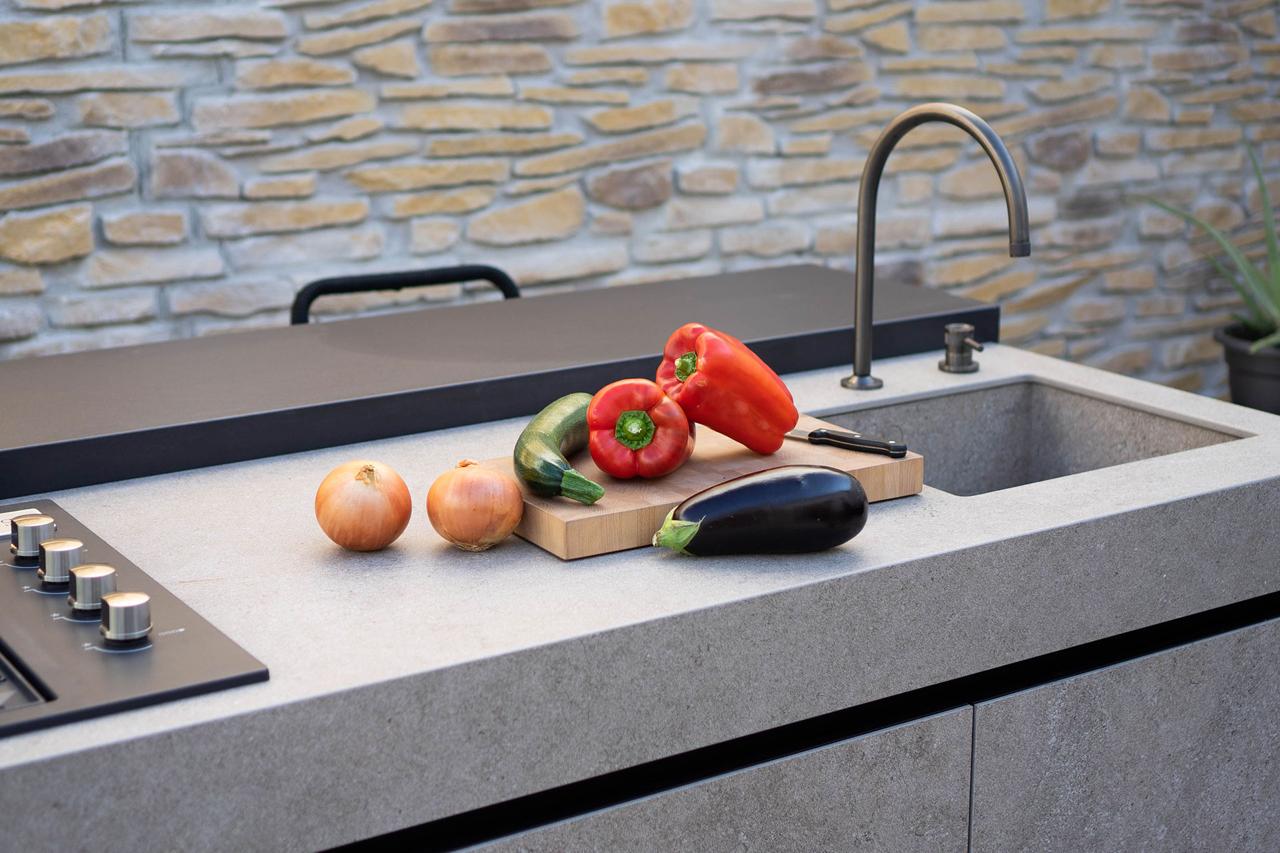
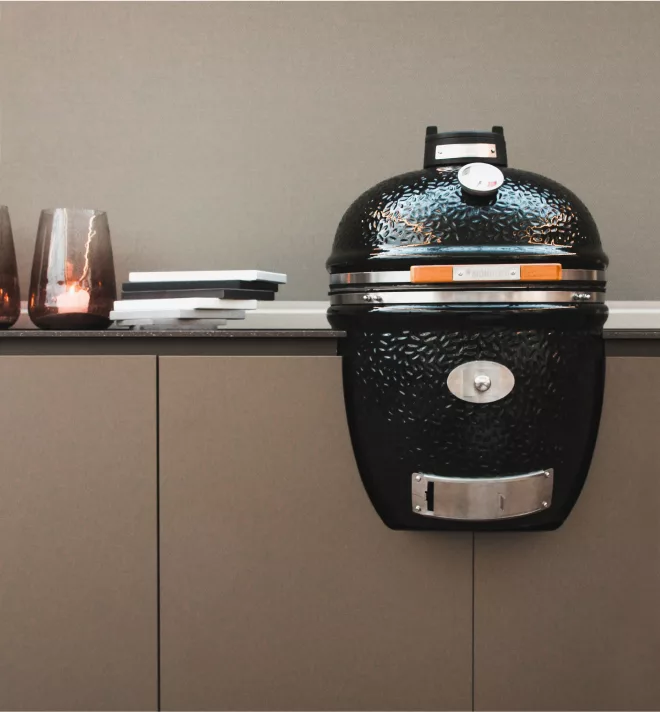
We live in a period deeply fascinated by novelty. Every year introduces new trends, new colours and new aesthetic languages, many of which disappear as quickly as they arrive.
Novara appears interested in something altogether different.
Permanence.
Rather than pursuing constant reinvention, it develops products intended to remain relevant for decades. Not only because they are built to withstand time, but because their design avoids everything that depends on fashion to retain its value.
It is an approach that feels remarkably close to architecture itself.
A well-designed building does not require reinvention every few years in order to remain meaningful.
The same can be said of the objects that inhabit it.
Perhaps that is the truest definition of luxury: not the ability to attract attention, but the ability to continue making sense long after the initial excitement has faded.
As contemporary architecture continues to dissolve the boundary between inside and outside, the objects that occupy these spaces are also expected to perform a different role.
It is no longer enough for them simply to withstand the elements.
They are expected to contribute to the quality of a place, to establish a dialogue with the architecture around them, to age with dignity and to become part of everyday life without ever feeling temporary.
It is precisely within this territory that Novara has found its identity.
Not through technological exhibitionism or expressive formal language, but through a quieter ambition: the belief that an outdoor kitchen deserves to be designed with the same rigour, permanence and architectural integrity as any room inside the home.
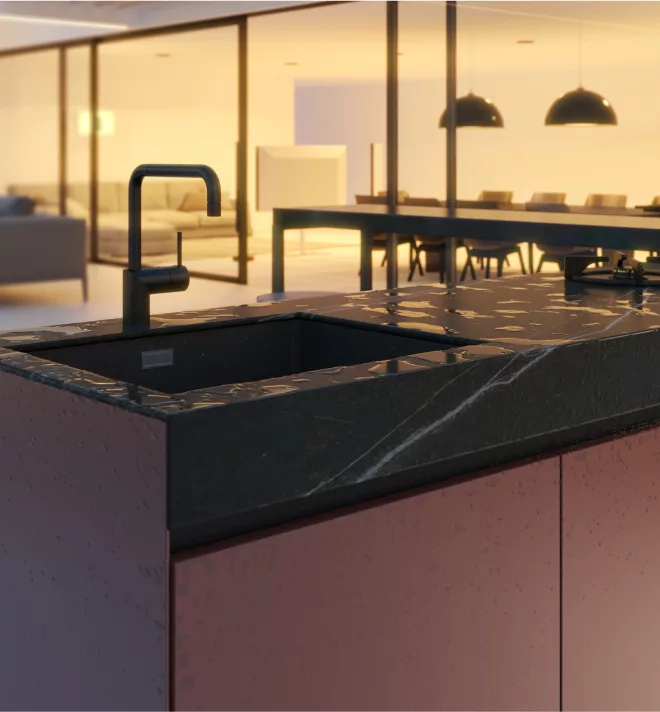
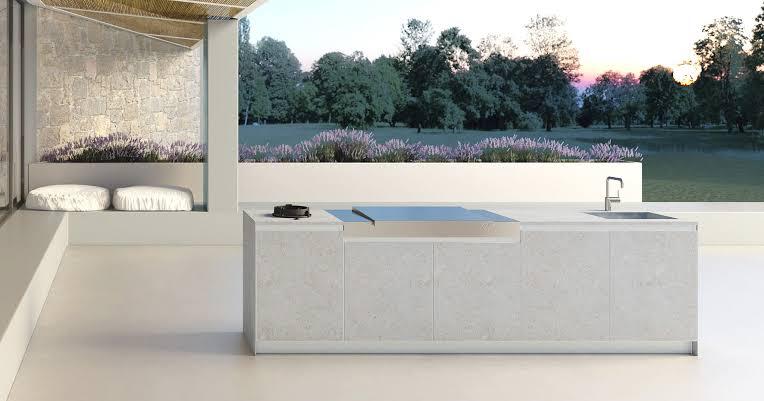
At Desenhabitado, we believe outdoor spaces deserve the same level of consideration as the interiors they extend.
That is why we represent Novara in Portugal.
Because we recognise in the brand a way of thinking about outdoor kitchens that places architecture, craftsmanship and enduring quality above passing trends.
We invite you to visit our showroom in Lisbon and discover how an outdoor kitchen can become far more than a place to cook.
It can become an integral part of the way a home is lived.