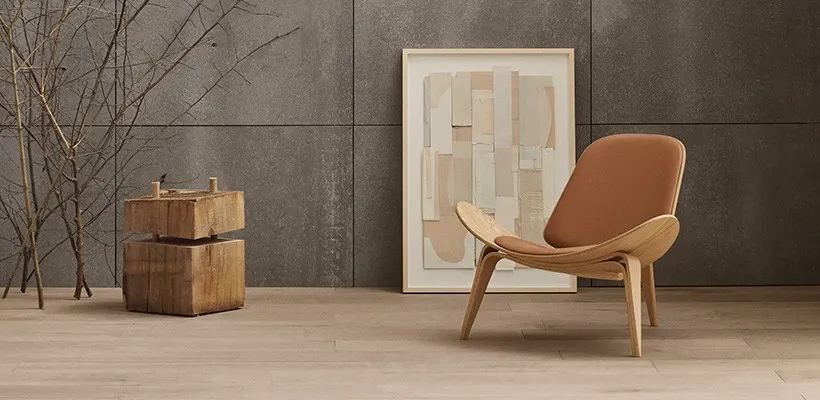
In 2026, minimalism steps away from
rigidity and moves closer to humanity. It is no longer about emptiness
or strict restraint, but about intentional presence, spaces designed with care, meaning, and emotional clarity.
A quieter, warmer, more intentional way of living
Minimalism in interior design has
always been a reflection of its time. In 2026, it evolves once again,
moving away from rigidity and visual austerity toward a more humane,
emotional, and intentional expression. Minimalist interiors are no
longer defined by absence or reduction alone, but by clarity of choice, material honesty, and spaces that support well-being.
At
Desenhabitado, we understand minimalism not as a style, but as a
philosophy of living. The minimalist interiors of 2026 respond to a
collective desire for calm, authenticity, and permanence in a world that
feels increasingly fast and fragmented.
Minimalism Becomes Warmer and More Sensory
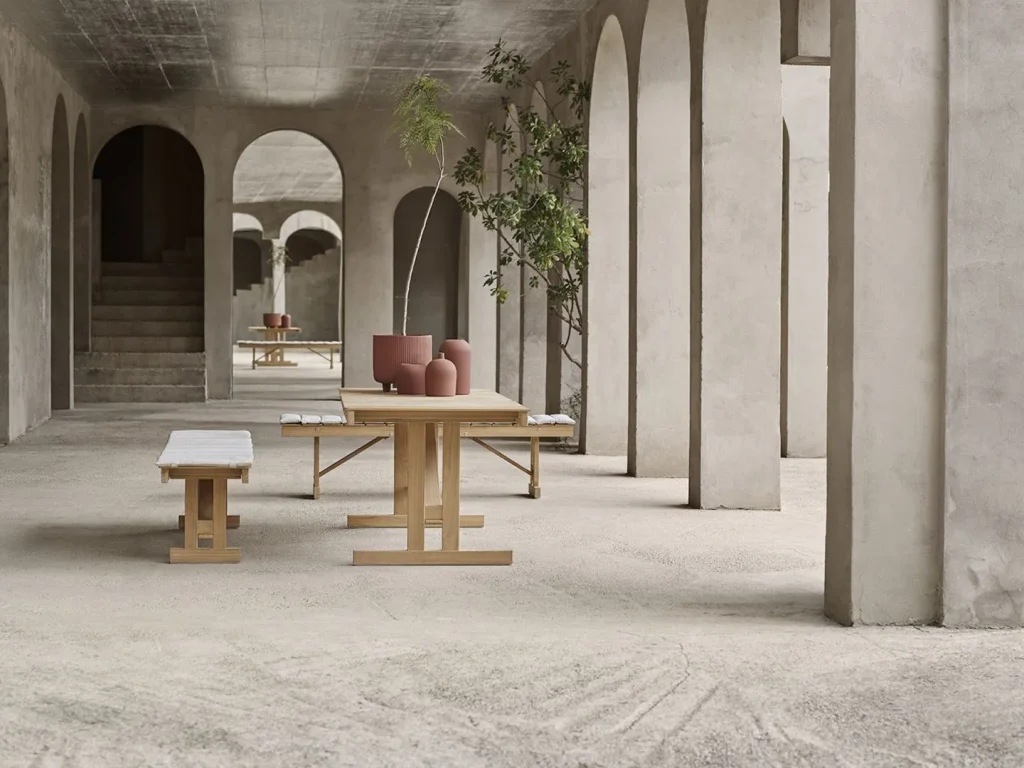
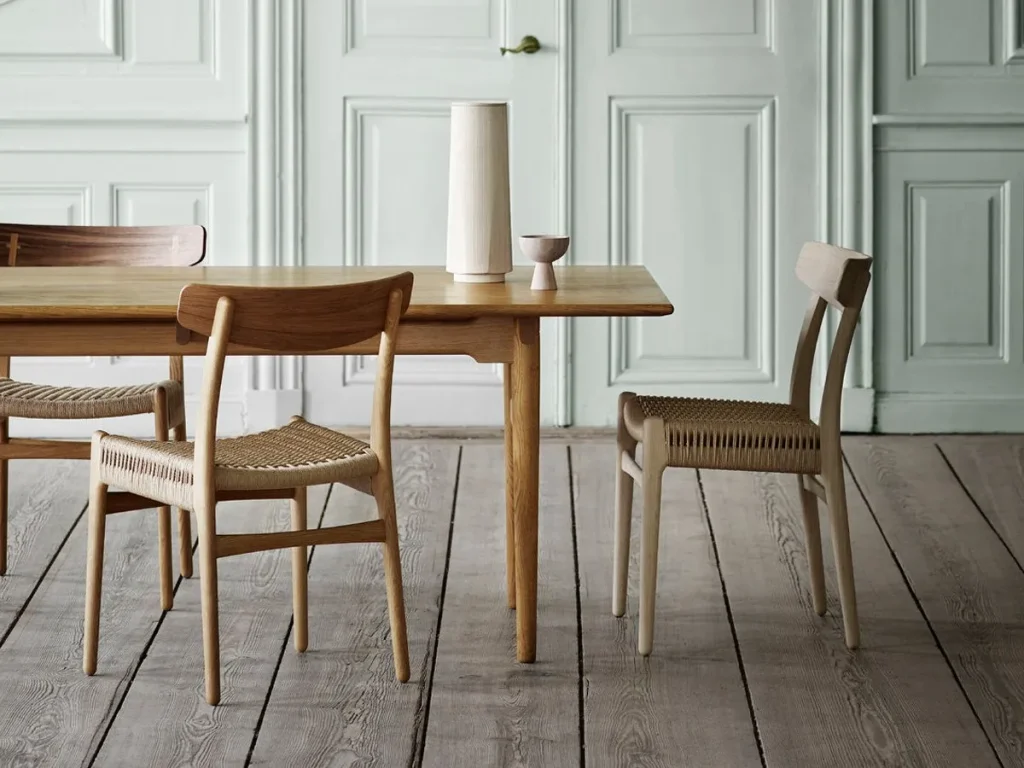
One of the most defining shifts in 2026 is the transition from cold minimalism to warm minimalism.
The stark whites, sharp contrasts, and ultra-smooth finishes of
previous years soften into a palette inspired by nature. Tones such as
sand, stone, clay, warm greys, muted browns, and off-whites dominate
interiors, creating spaces that feel serene rather than severe.
Texture
plays a crucial role. Linen, wool, brushed wood, limewashed walls, and
matte stone surfaces introduce tactility and depth without overwhelming
the space. Light is diffused rather than dramatic, creating environments
that feel lived-in, calm, and emotionally grounding. Minimalism no
longer aims to impress, it aims to comfort.
Intentional Living and Curated Spaces
In 2026, minimalism is inseparable
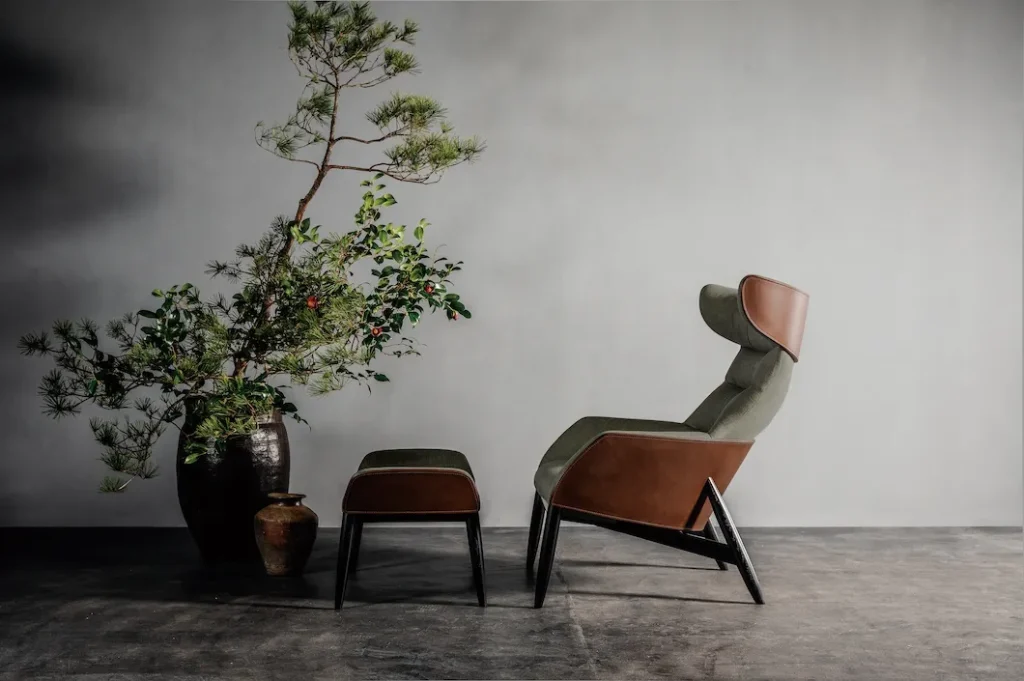
from intentional living. Rather than empty rooms, we see carefully
curated interiors where every object has a reason to exist. Furniture,
lighting, and decorative elements are selected not for trend value, but
for longevity, craftsmanship, and emotional relevance.
This
shift reflects a growing resistance to overconsumption. Homeowners are
investing in fewer pieces, but of higher quality, objects designed to
age gracefully and remain meaningful over time. Minimalist interiors
become a framework for slower living, encouraging clarity of mind and a
more conscious relationship with our surroundings.
The result is a sense of quiet richness: not abundance in quantity, but in intention.
Natural Materials Take Centre Stage
Minimalist interiors in 2026 are
deeply rooted in material honesty. Natural materials are no longer
accents, they define the architecture of the space. Wood, stone, clay,
natural fibres, and mineral finishes are chosen for their texture,
durability, and authenticity.
Surfaces
are often left imperfect, revealing grain, pores, and irregularities.
These details add character and warmth, counterbalancing minimalism’s
inherent restraint. Sustainability is no longer an optional value; it is
an expectation. Materials are selected with care, prioritising
durability, ethical sourcing, and environmental responsibility.
This
connection to nature creates interiors that feel timeless rather than
trend-driven — spaces that age alongside their inhabitants.
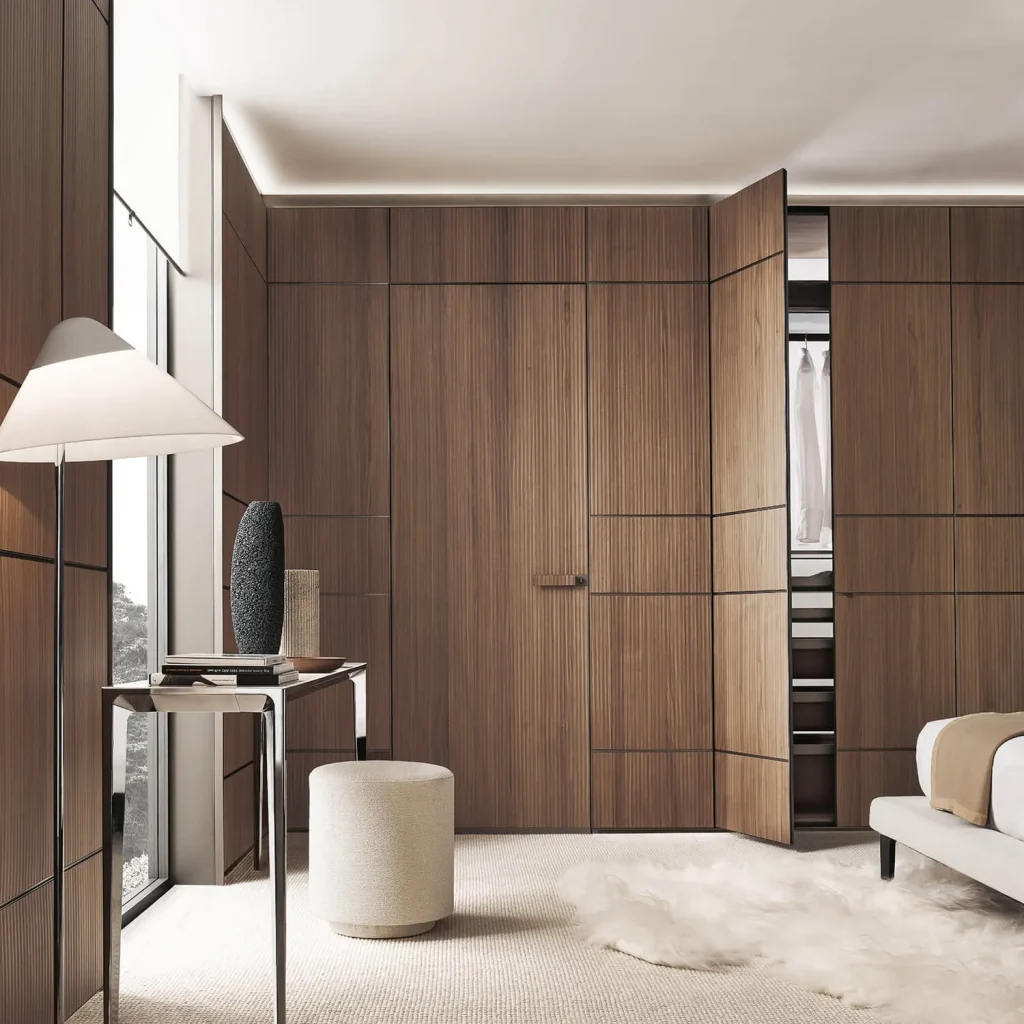
Architecture as the Foundation of Minimalism
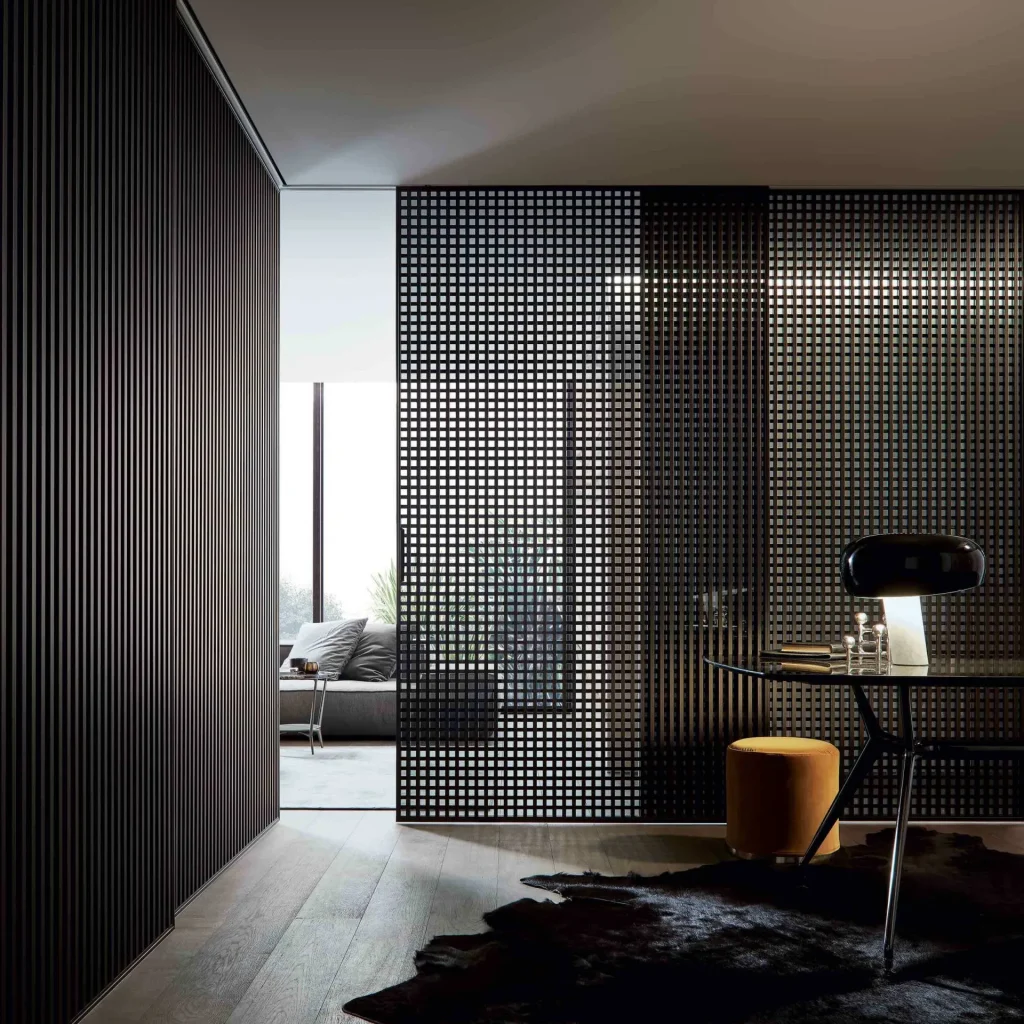
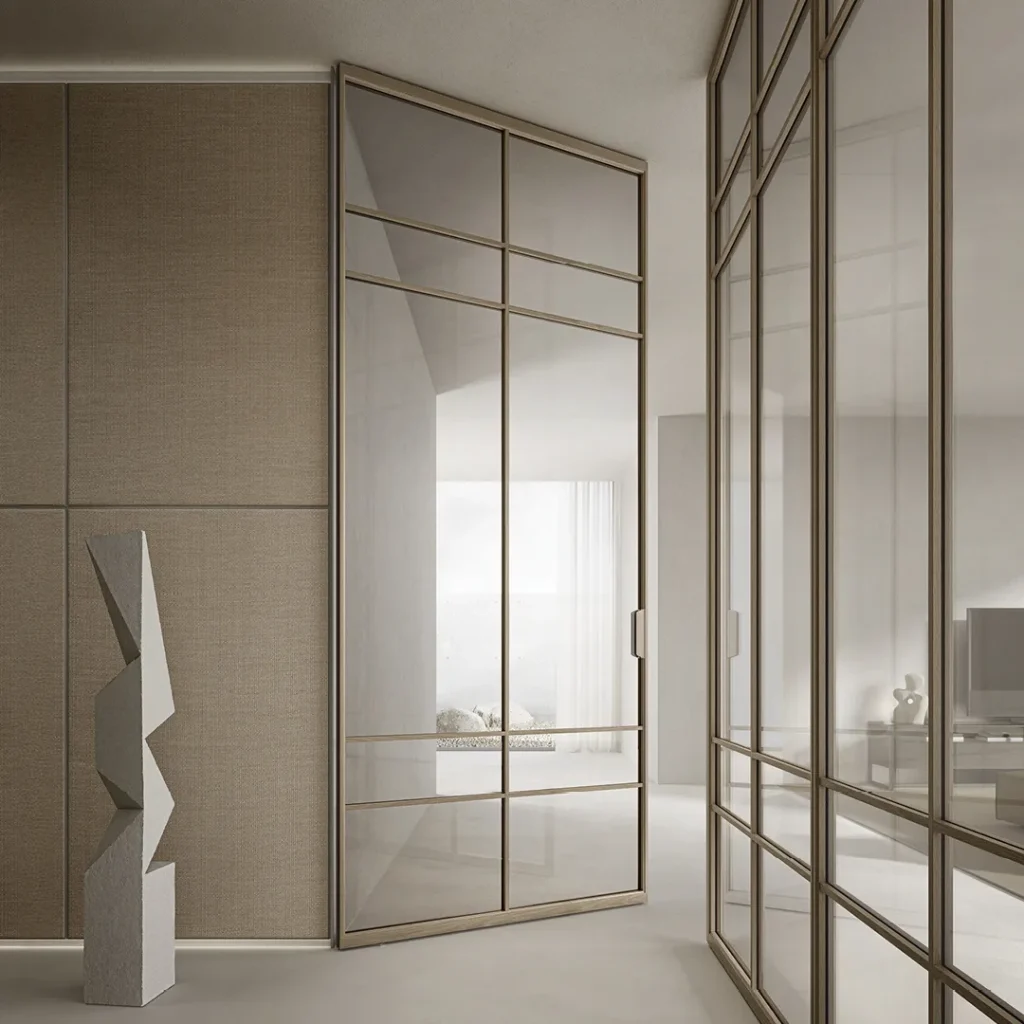
In 2026, minimalism relies more on
architecture than decoration. Clean lines, well-proportioned spaces, and
thoughtful layouts eliminate the need for visual excess. Storage is
integrated, transitions are seamless, and functionality is often
invisible.
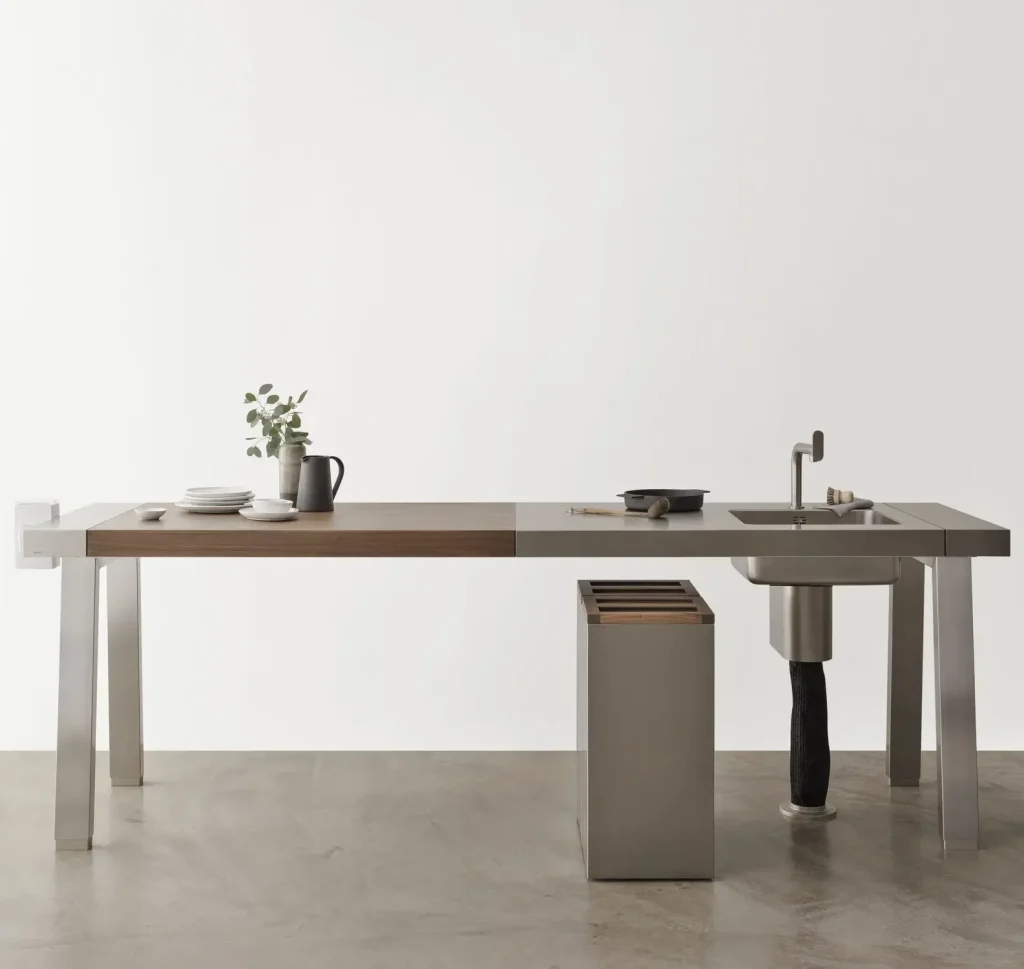
Kitchens, living
areas, and private spaces are designed as continuous environments
rather than isolated rooms. This architectural clarity enhances flow and
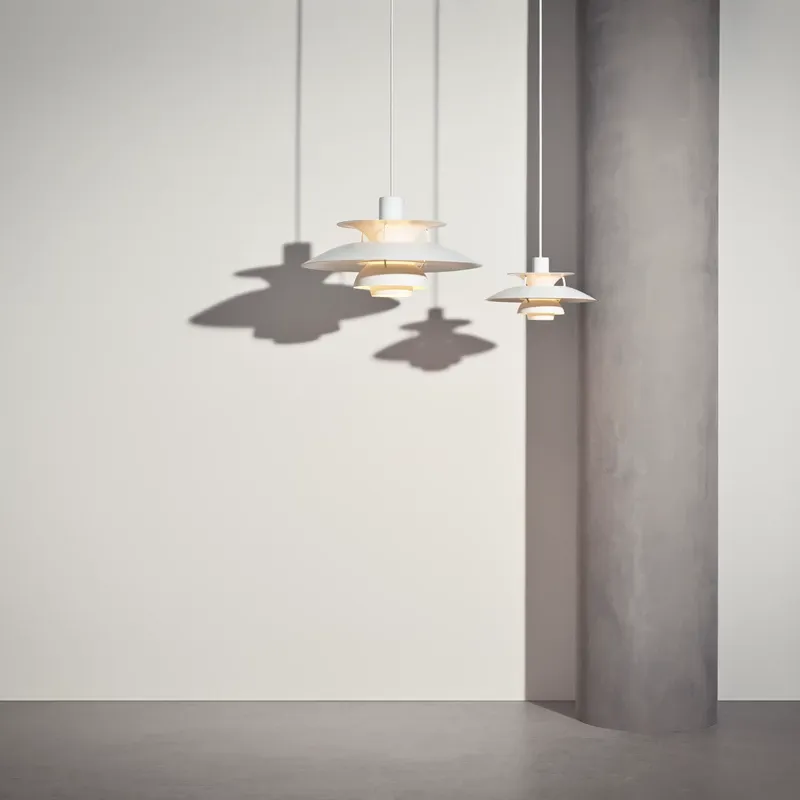
reinforces a sense of calm. Lighting is integrated and layered, often
concealed, allowing atmosphere to shift subtly throughout the day.
Technology,
while present, retreats into the background. Smart systems, appliances,
and controls are discreet, silent, and intuitive, supporting daily life
without visually dominating it.
Emotional Comfort Over Visual Perfection
A significant change in minimalist
interiors for 2026 is the rejection of perfection. Homes are no longer
styled to look untouched or overly controlled. Instead, they are
designed to be lived in, comfortably, naturally, and without anxiety.
Soft
seating, generous proportions, and tactile materials create
environments that invite rest and reflection. Minimalism becomes less
about discipline and more about emotional well-being. The home is seen
as a refuge, a place that restores rather than stimulates.
This
emotional dimension marks a mature phase of minimalism, where design
serves the human experience rather than imposing aesthetic rules.
A Unique Expression
Perhaps the most important trend for
2026 is the understanding that minimalism is deeply personal. There is
no single formula, colour palette, or layout that defines a minimalist
home. Instead, minimalism adapts to individual lifestyles, cultural
contexts, and personal rhythms.
Art,
books, and meaningful objects are welcome when they tell a story. A
minimalist interior may be almost empty, or it may include carefully
chosen elements that reflect memory, travel, or creativity. What matters
is coherence and intention, not adherence to an external standard.
Minimalism becomes an expression of identity rather than a visual trend.
Minimalism as a Long-Term Vision
Minimalist interior design positions
itself as a long-term approach rather than a seasonal aesthetic. It
values durability over novelty, calm over stimulation, and authenticity
over excess. Spaces are designed to evolve slowly, accommodating change
without losing their essence.
At Desenhabitado, we believe minimalism is not about having less, but about living with clarity. It is a way of shaping environments that support presence, balance, and meaning, today and well into the future.
Minimalism in 2026 is quieter, warmer, and more human. And ultimately, it feels like home.