We live surrounded by screens.
We move constantly between notifications, online meetings, artificial intelligence, social media, and an endless stream of information that fills almost every moment of our day.
Never have we been so connected.
Yet paradoxically, perhaps we have never been so disconnected from the physical experience of space.
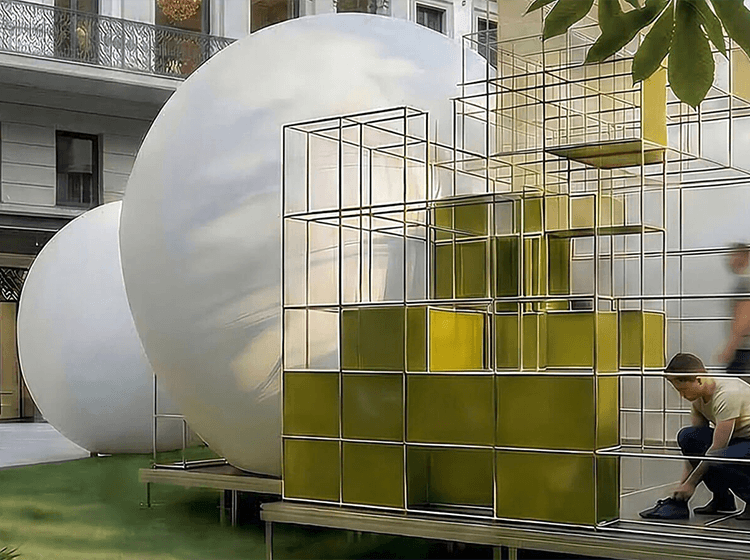
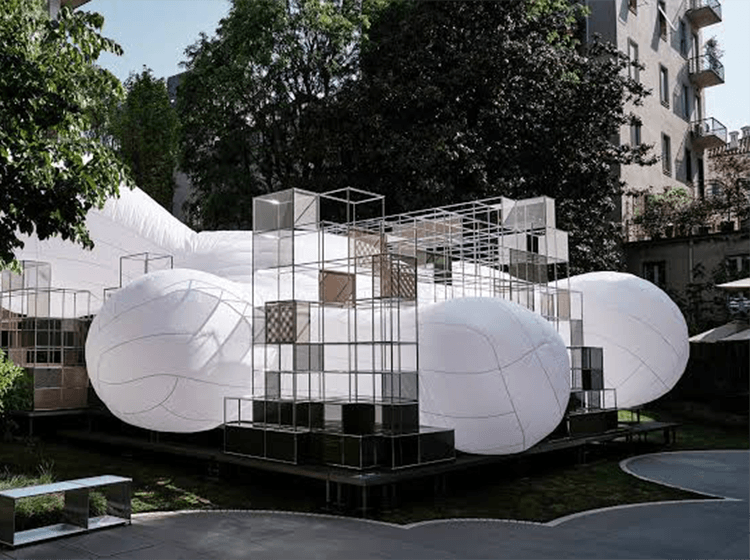
It was this reflection that inspired Renaissance of the Real, the installation presented by USM during Milan Design Week 2026, developed in collaboration with the international architecture and design studio Snøhetta and Swiss artist and experience designer Annabelle Schneider. The project invites visitors to pause consciously amidst the pace of contemporary life, rediscovering what has always been one of design's greatest strengths: its ability to make us feel truly present.
More than a temporary installation, Renaissance of the Real became a reflection on the future of design and architecture.
And perhaps, on the future of our homes.
For decades, design sought to solve functional problems.
Today, it faces a different challenge.
How do we create spaces that allow us to disconnect?
How do we design interiors that reduce noise rather than add to it?
How do we transform the home into a place where we can genuinely reconnect with the present?
These questions lie at the heart of much of today's design discourse, and they formed the foundation of USM's installation in Milan.
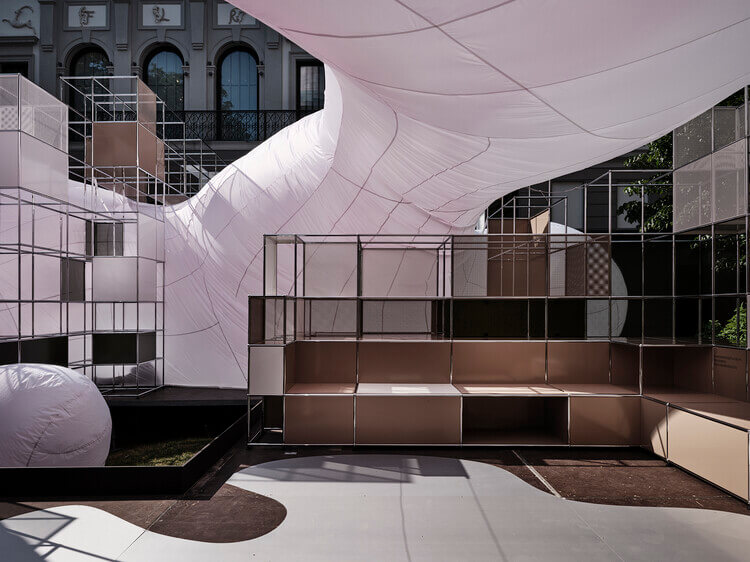
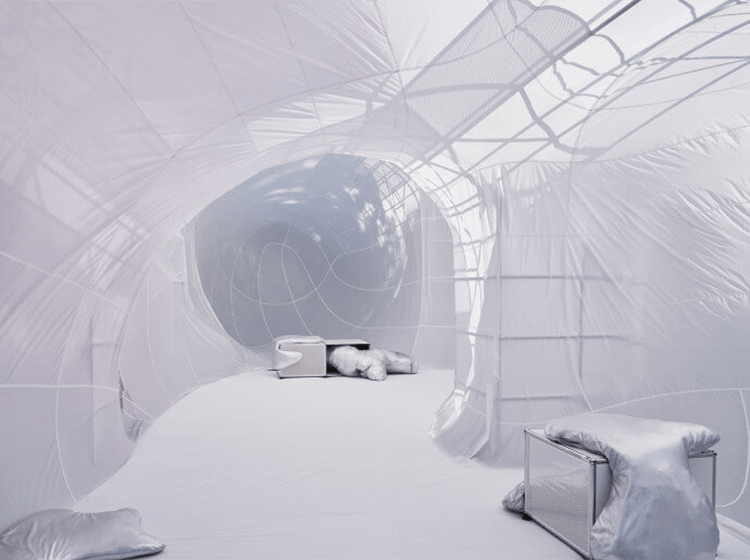
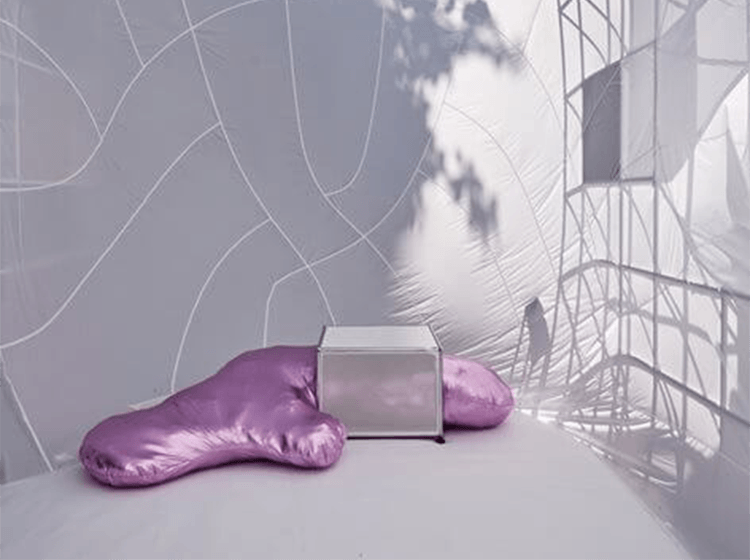
Inside a structure built around the iconic USM Haller modular system, visitors were invited to remove their shoes, slow down, and step into an environment where light, sound, texture and scent replaced the constant stimulation of the digital world.
It was a space designed for almost doing nothing.
And precisely because of that, it became unforgettable.
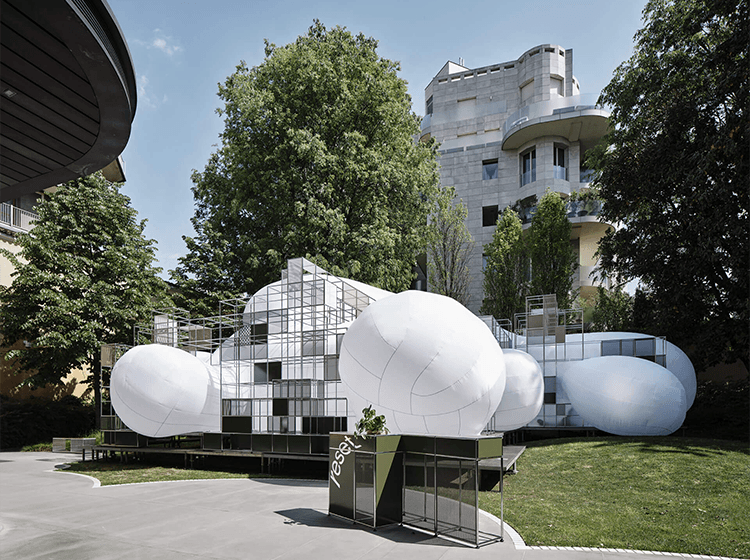
Since its creation, the USM Haller system has become one of the defining icons of modular design.
Celebrated for its engineering precision, flexibility and architectural language, it has rarely been associated with sensory or emotional experiences.
Renaissance of the Real set out to challenge exactly that perception.
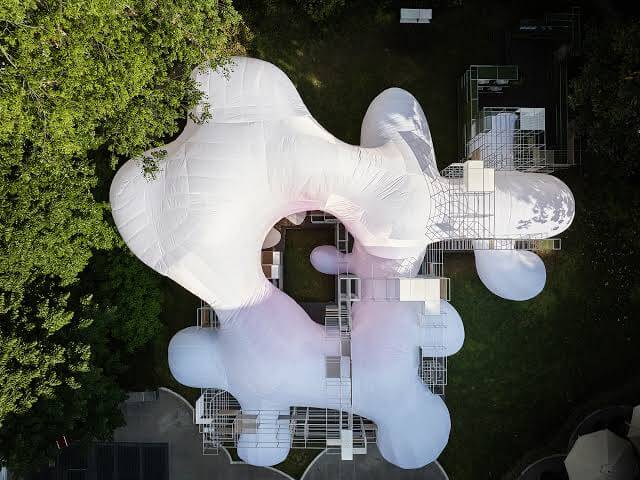
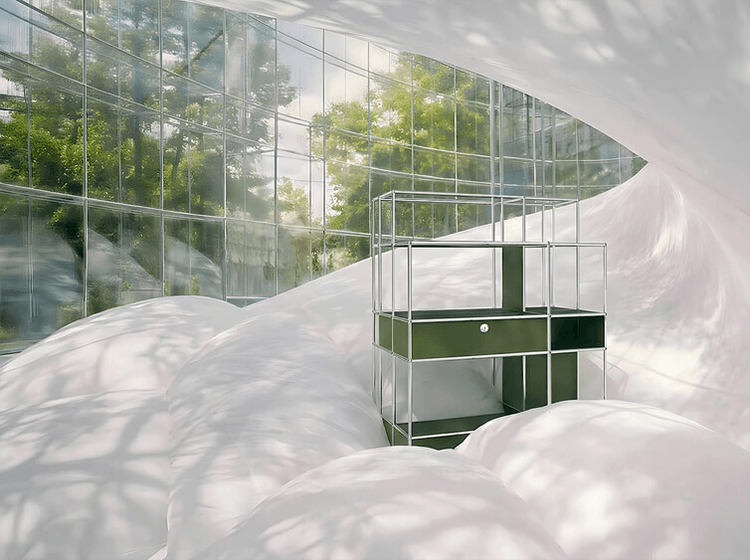
USM's rigorous steel framework became the structural skeleton for a soft organic textile membrane that slowly breathed, creating a poetic dialogue between geometry and softness, technology and nature, order and vulnerability.
Rather than introducing a new product, the installation offered a new way of interpreting a design classic.
For many years, quality was often associated with abundance.
Today, it is measured differently.
In the ability to slow down.
In natural light that follows the rhythm of the day.
In honest materials.
In objects made to endure and spaces designed to promote well-being rather than excess.
This philosophy is what connects USM so naturally with contemporary residential architecture. Rather than responding only to the needs of the present, its modular systems are designed to evolve over time, adapting to changing ways of living without losing their identity.
It is this enduring relevance that has made USM a timeless reference in contemporary design.
One of the most compelling ideas presented in Milan was that design should not simply be observed, it should be experienced.
Architecture moves beyond form to become something deeply sensory, where light shapes perception, materials influence the way we inhabit a space, and texture, sound and atmosphere foster a more meaningful connection with our surroundings.
This is becoming one of the defining principles of contemporary interior design. The success of a project is measured not only by its visual appeal, but by its ability to enrich everyday life and the way people experience the spaces they inhabit.
The finest homes are not defined by the number of objects they contain, but by the quality of the choices behind them.
They are spaces where materials acquire character over time, where light follows the natural rhythm of the day, and where every piece contributes to a sense of balance and permanence.
It is this ability to evolve without losing its identity that has kept modular systems like USM relevant for more than six decades.
Design conceived to adapt to changing lives without replacing what already works.
At Desenhabitado, we believe design should improve the way we live.
Rather than simply creating visually beautiful interiors, we design spaces where architecture, light, materials and furniture work together to promote wellbeing, functionality and longevity.
Brands such as USM embody this philosophy perfectly.
They do not follow trends.
They create systems that evolve alongside people's lives while maintaining a timeless visual identity.
It is this approach that we seek to bring to every residential project developed by our Lisbon-based interior architecture and design studio.
Perhaps Renaissance of the Real is more than the title of an installation.
Perhaps it perfectly describes the moment we are living through.
In an increasingly digital world, the desire for authentic physical experiences, honest materials and spaces that restore calm, presence and human connection continues to grow.
Today, architecture and interior design carry a responsibility that goes beyond creating beautiful environments.
They have the responsibility to create places where people genuinely want to stay.
And perhaps that is the most meaningful form of innovation of our time.
Discover how timeless design, USM's modular systems and an experience-led approach can transform the way you live in your home.