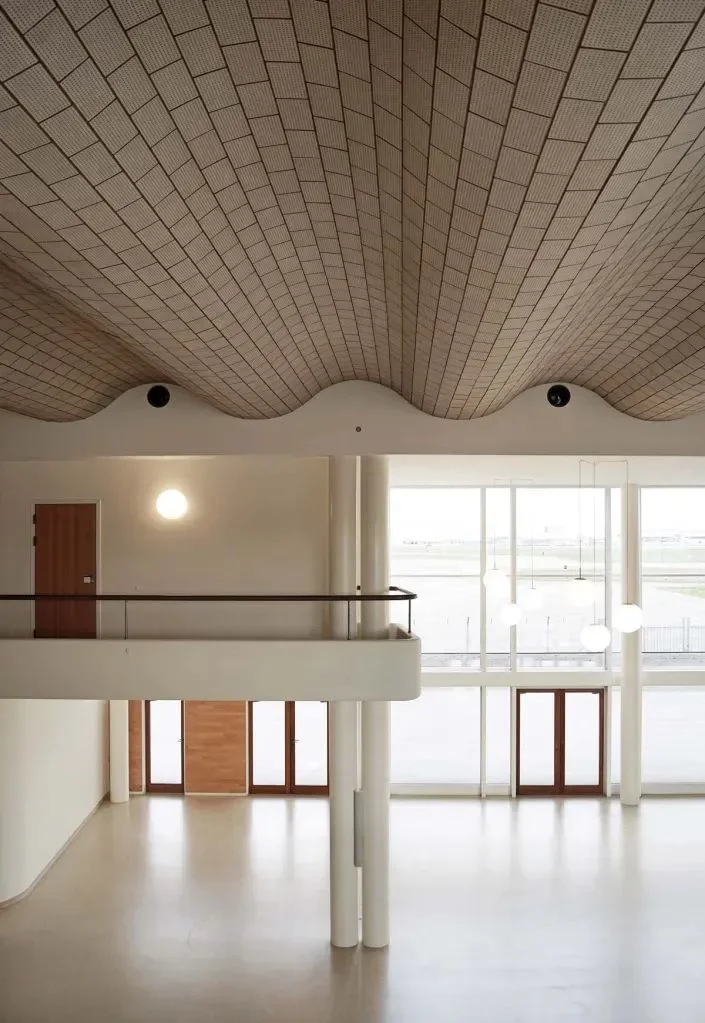
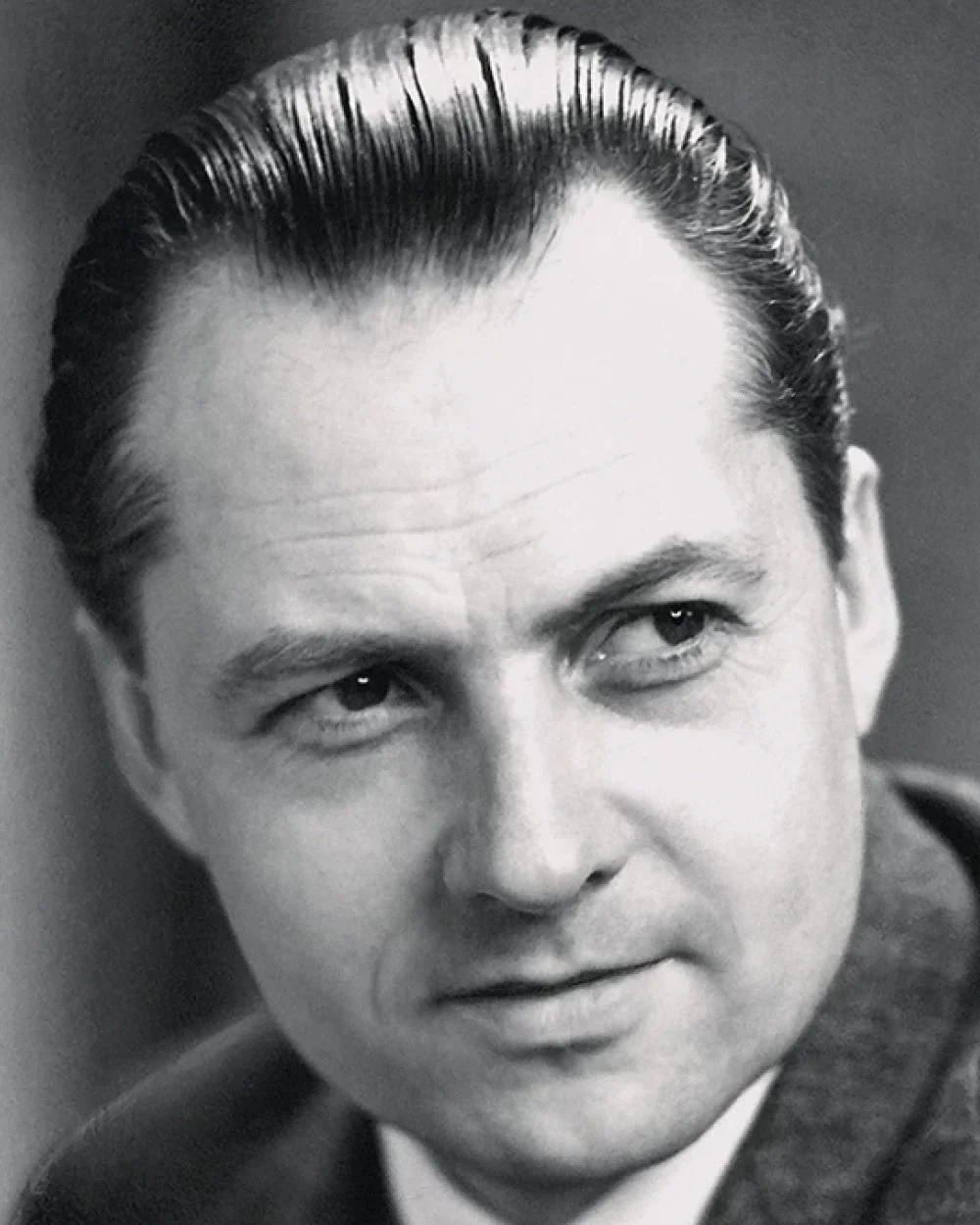
In 1956, Danish architect Vilhelm Lauritzen conceived one of the most
complete expressions of Scandinavian modernism: the Folkets Hus (House
of the People) in Copenhagen.
The building was envisioned as a
Gesamtkunstwerk, a total work of art in which every element, from the
structure to the smallest fitting, was designed by Lauritzen himself.
Later transformed into the celebrated Vega Concert Hall, the project became an icon of Danish design through its holistic approach, where architecture, furniture, and light coexist in a continuous, harmonious dialogue.
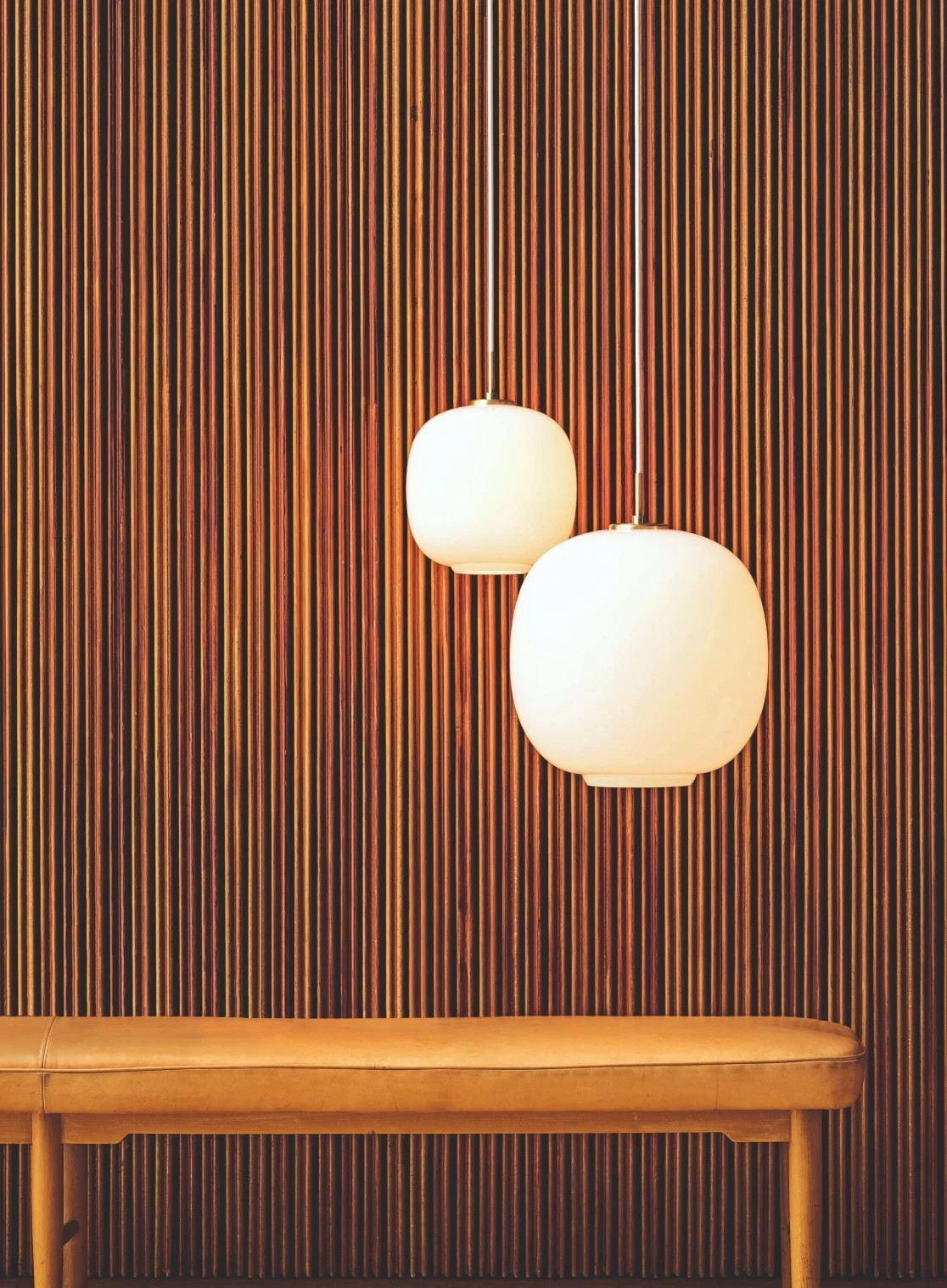
Among Lauritzen’s original creations for the building
were two pieces that would go on to define Nordic design: the Vega
Chair, now reissued by Carl Hansen & Søn,, and the VL 56 Pendant
Lamp, recently reintroduced by Louis Poulsen.
The chair, with its
fluid lines and carefully balanced proportions, remains an example of
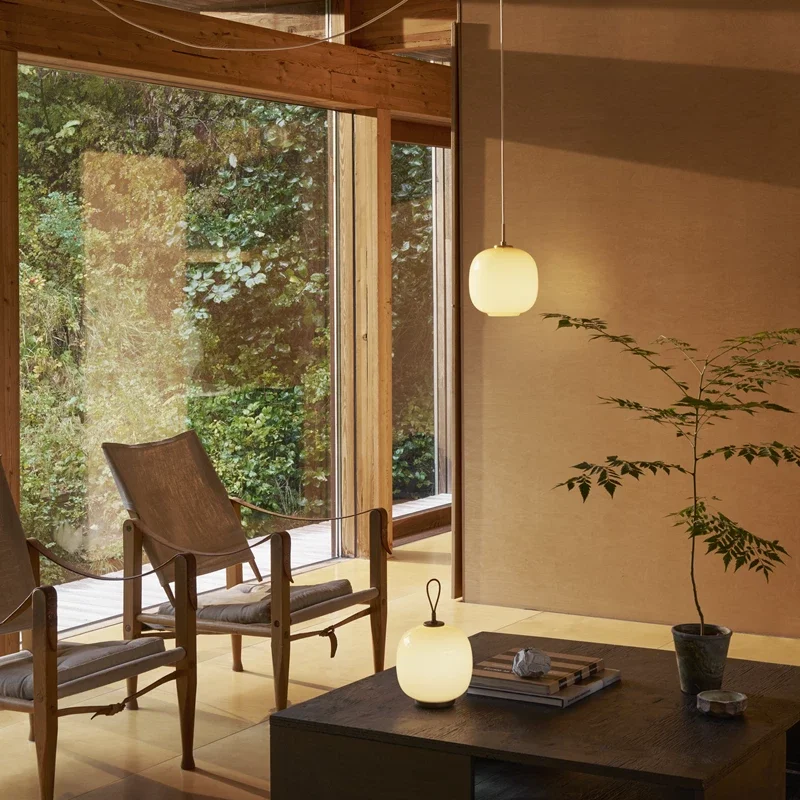
poetic ergonomics, while the VL 56 embodies Lauritzen’s luminous
philosophy, a piece that does not merely light a room but shapes space
through silent elegance.
The concept behind the Folkets Hus was
both simple and radical: a building designed as a unified body, where
every door handle, staircase, socket, and lamp belonged to a
single architectural language.
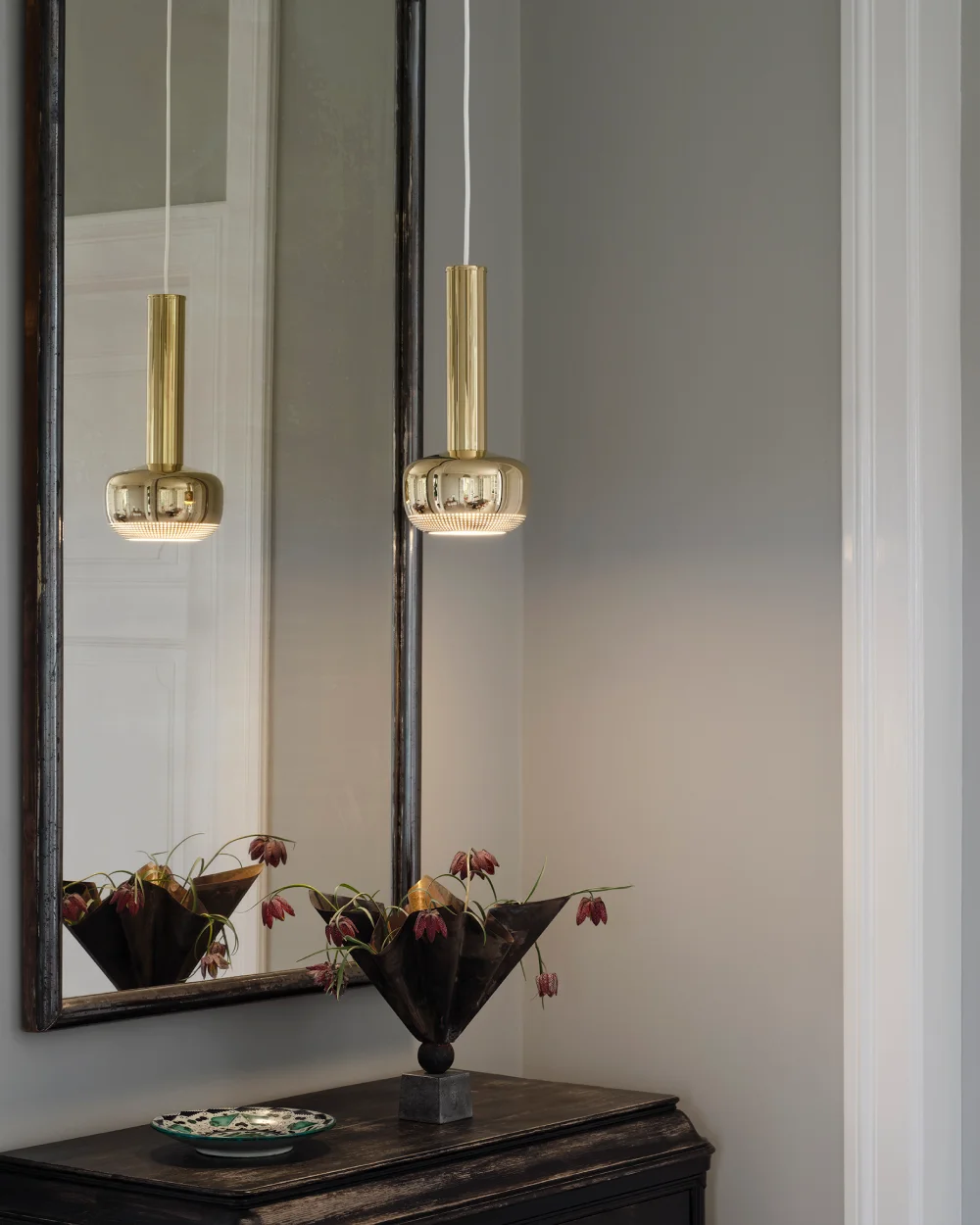
Light was not an accessory, it was a structural material, as vital to the project as concrete or wood.